 Get Halloween 15% for Limited Time on Lifetime & Bundle Deal

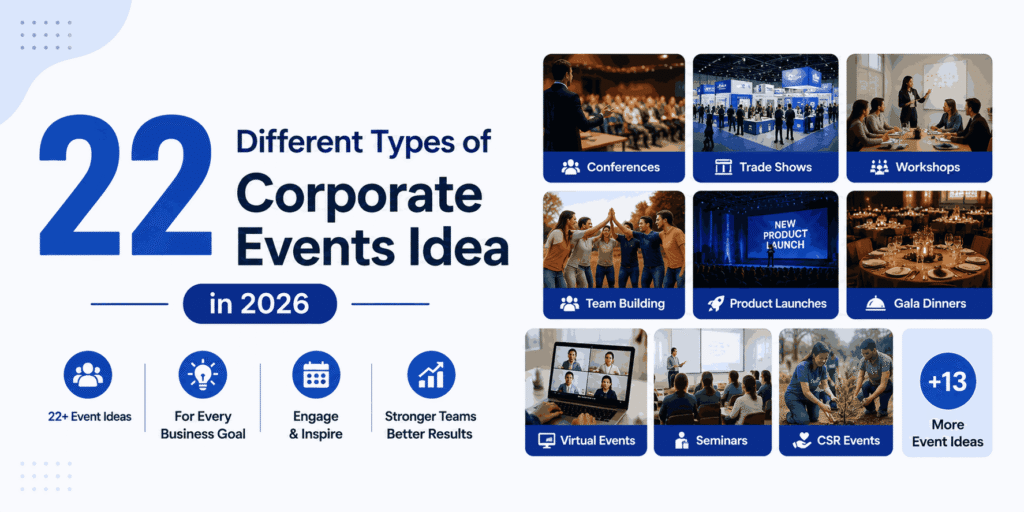
Corporate events are organised gatherings that connect a business with its employees, clients, partners, investors or the public — and they almost always exist to achieve a business objective, not just to fill a calendar. In 2026 the format list keeps growing: alongside classic seminars, trade shows and conferences, you now have escape rooms, VR immersions, wellness retreats and cultural festivals competing for the same budget. This guide breaks down 22 different types of corporate events ideas in 2026, explains which category each one belongs to, and shows how to handle registration and logistics for every format.
What Are the 3 Types of Corporate Events?
Before the list, it helps to sort corporate events into three broad buckets. Most formats below sit in one of these, and some deliberately span two.
1. Internal Corporate Events
These target your own people — employees, managers and teams. The goal is culture, skills or morale rather than revenue. Typical examples include training programmes, team-building days, award ceremonies and staff appreciation events.
2. External Corporate Events
External events are aimed at people outside the organisation: customers, prospects, partners, media or the general public. They exist to generate revenue, launch products, build brand awareness or open new business relationships. Conferences, trade shows, product launches and brand activations are the classic external formats.
3. Hybrid Corporate Events
A hybrid corporate event blends a physical venue with an online audience, so attendees choose how they show up. This widens your reach, improves accessibility and gives you a recording you can reuse. Conferences, seminars and workshops are the formats most commonly run as hybrid. If you want to push registrations and attendee data into the rest of your marketing stack, you can connect Zapier to your WordPress event management website and automate the handoffs.
22 Types of Corporate Events Ideas for 2026
Here is the full list, grouped by the objective each format serves. Prices and vendor details change constantly, so always confirm current pricing before you commit a budget.
1. Seminars
Seminars are education-first events. A company arranges one to explain a topic, a service or a product to a targeted group, and the format usually involves one or several speakers. Unlike a lecture, a seminar expects interaction — questions, discussion, sometimes audience polls.
They are one of the cheapest ways to position your team as experts while collecting qualified leads. A well-run seminar gives attendees a reason to hand over contact details because they came to learn something specific.

If you want to sell seats and manage attendee data in one place, it is worth learning how to use WooCommerce for event registration before your first seminar goes live.
2. Trade Shows
A trade show brings many companies from one industry under a single roof, each with a stall or booth. Venues are typically convention centres or exhibition halls and can host well over a hundred exhibitors.
Where a seminar educates, a trade show lets you demonstrate. The traffic is already qualified — visitors walk the floor because they are in the market for what your industry sells — which makes lead capture the primary success metric.

3. Product Launch Events
Product launches exist to create anticipation before or at the moment a product becomes available. They are aimed at customers, media and sometimes your own sales team, and the build-up usually starts well before launch day.
The measure of success is coverage and pre-orders rather than on-site attendance. Keep the demo tight, give press a clear story, and make sure the call to action is obvious.

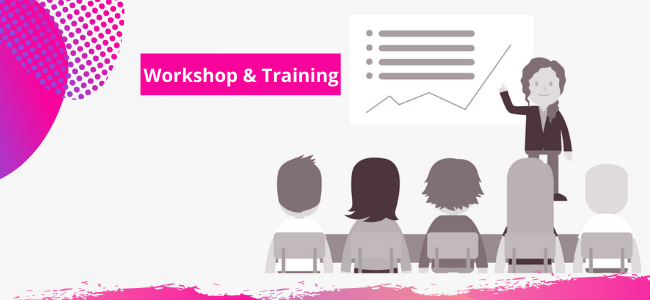
4. Training & Workshops Events
Workshops are hands-on. Participants work through exercises, group tasks and practical problems instead of listening passively. Companies run them for their own staff, but many also sell them externally — and a paid workshop is an excellent way to assess skilled candidates before you hire.
Because these events are practical, seating and room layout matter more than stage production. Circular or cluster layouts beat theatre rows every time.
5. Business Dinners
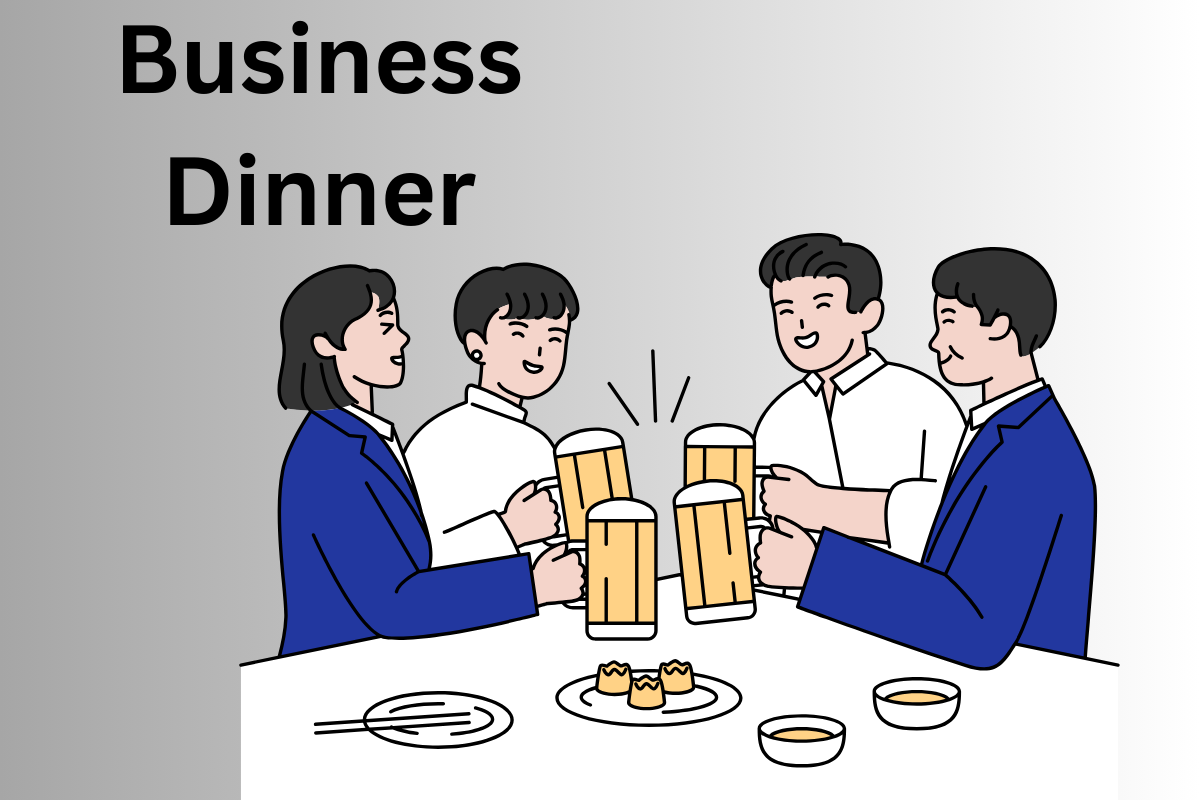
The business dinner is the oldest format on this list and still one of the most effective. It is typically used to mark a milestone, thank key stakeholders or move a relationship forward in a relaxed setting.
The advantage is intimacy: a table of eight creates a conversation that a 500-person conference never will. Keep the guest list deliberately small and the agenda deliberately light.
6. Conferences
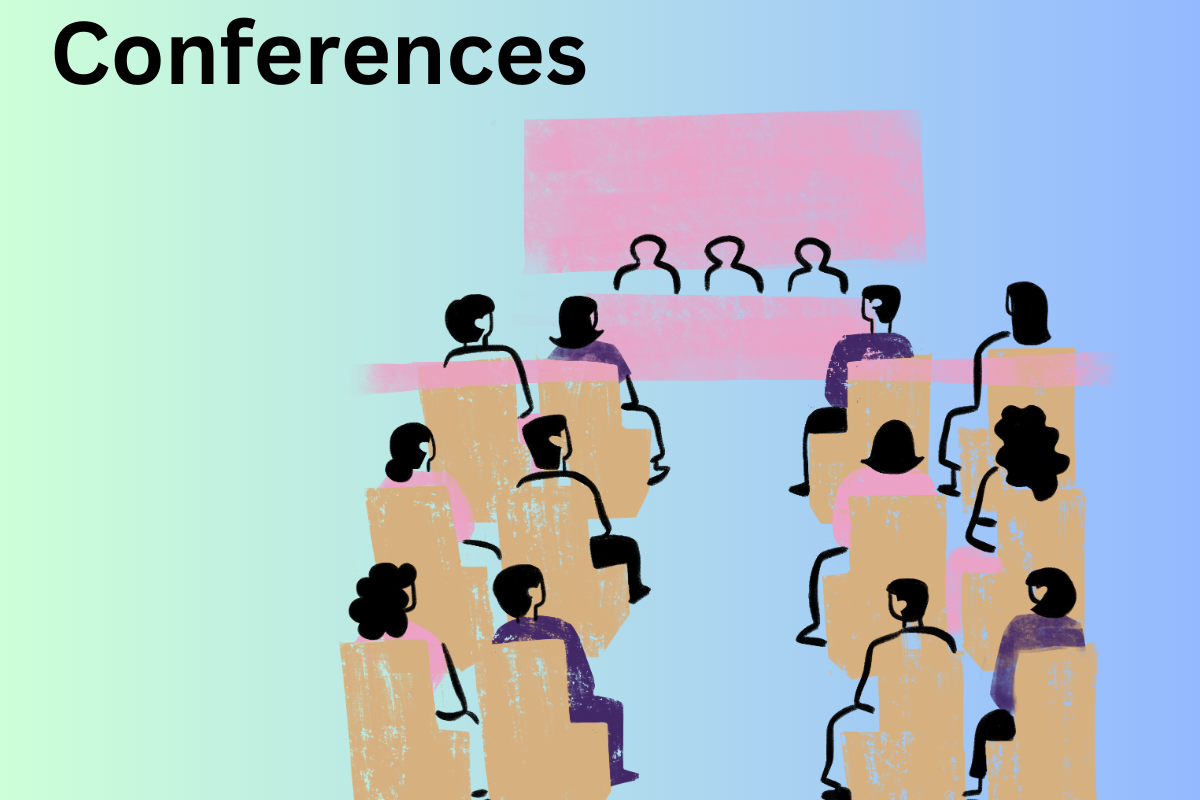
Conferences are large gatherings of professionals from a shared industry or discipline. They mix keynote speakers, panel discussions and breakout sessions, and they range from a few hundred delegates to tens of thousands.
Conferences are the highest-effort format on this list to run well. Ticketing tiers, speaker logistics, sponsor packages and session capacity all need managing in parallel.
7. Team-Building Events
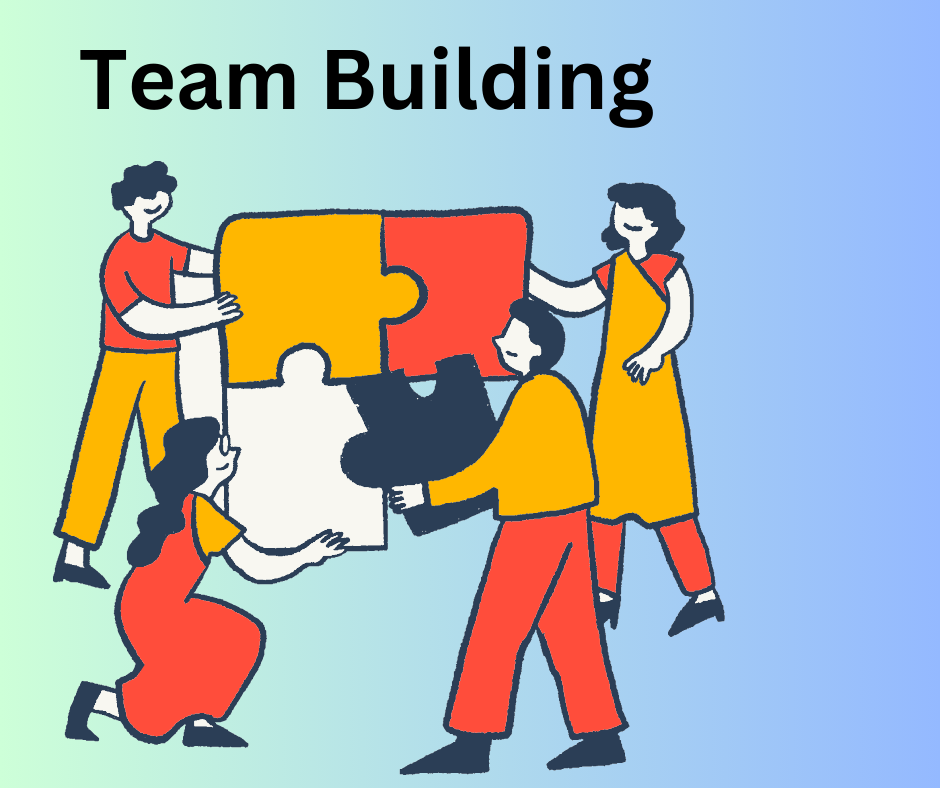
Team-building events are designed to improve how colleagues work together. Activities range from outdoor challenges to structured problem-solving workshops, and the real objective is trust — groups that collaborate in a low-stakes setting communicate better under pressure.
They also surface intergroup friction early, while it is still cheap to fix. Fun is the mechanism, not the goal.
8. Incentive Programs
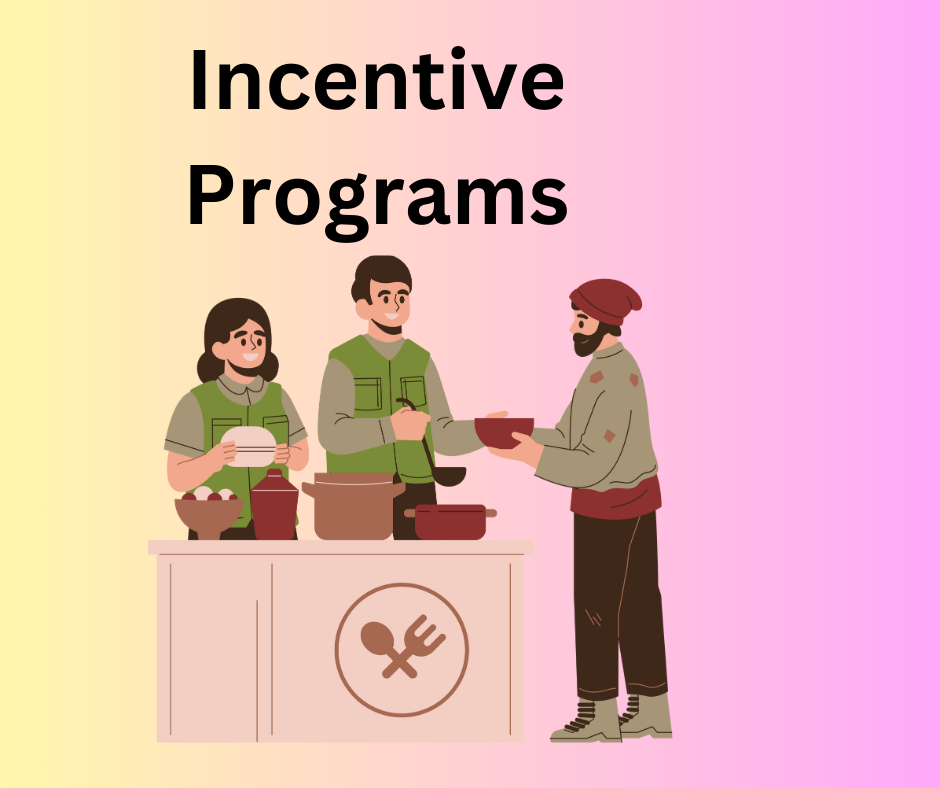
Incentive programmes use rewards to drive specific behaviour or targets. Rewards can be monetary or non-monetary, and the events around them are often retreats, trips or exclusive experiences.
The design matters more than the reward size. Clear, attainable targets paired with recognition tend to outperform anonymous cash bonuses, and employees who feel recognised are far more likely to stay.
9. Awarding Ceremonies
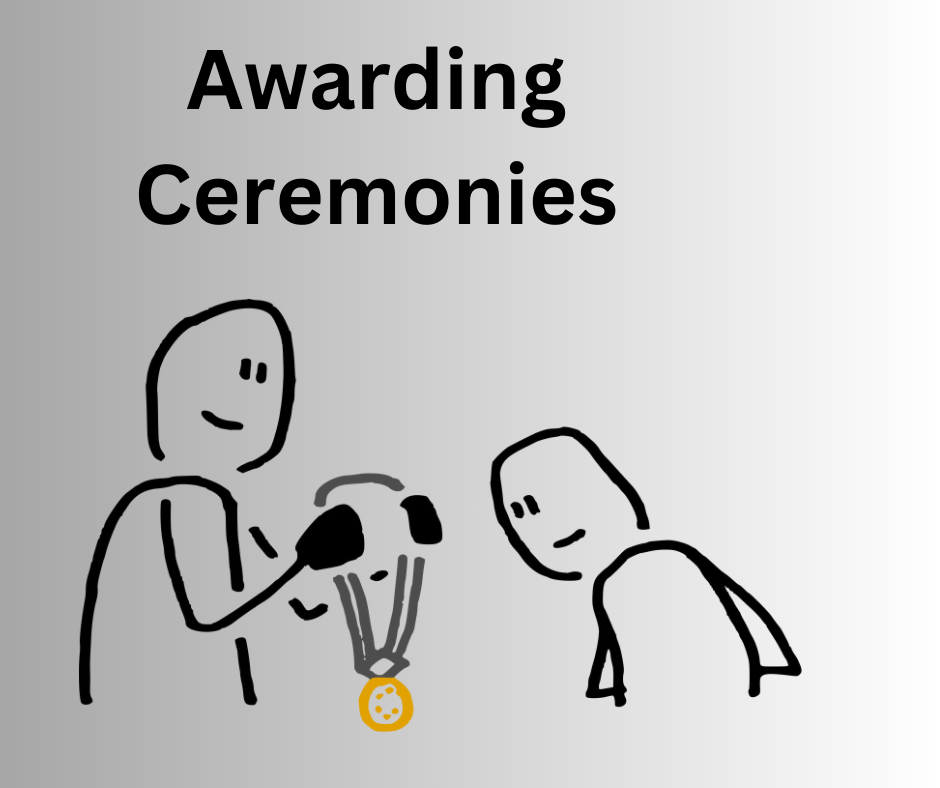
An award ceremony formally recognises individual or team achievement. It can be internal (long-service awards, innovation prizes) or public-facing (industry awards).
Done consistently, recognition culture becomes a recruitment tool — candidates notice companies that celebrate their people. Done badly, it becomes a popularity contest. Publish your criteria in advance.
10. Annual General Meetings (AGMs)
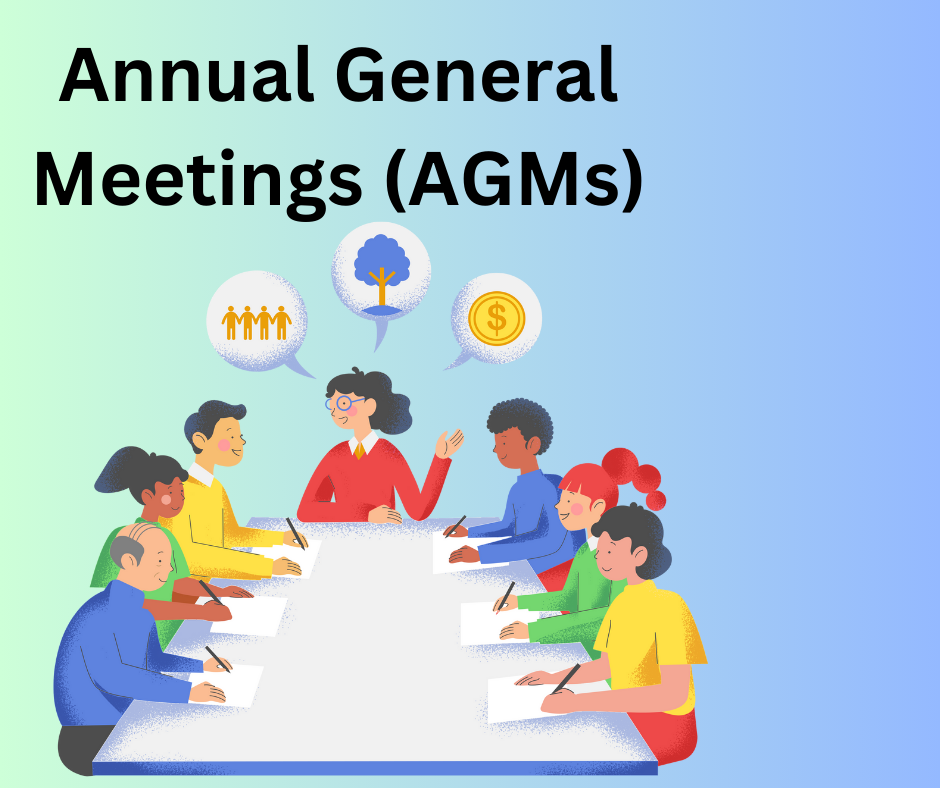
An AGM is the formal annual meeting between a company and its shareholders. The company reports on the year’s performance and plans, and shareholders can ask questions and vote on key decisions.
This is the least flexible format here: it is governed by company law and regulation, so the agenda, notice period and voting process are set for you rather than chosen by you.
11. Investors Meeting
Investor meetings are where a company presents its business plan, financial goals and growth strategy to current or potential backers. Startups use them to pitch venture capital and angel investors; listed companies use them to maintain confidence.
They overlap with AGMs in content but differ in purpose — an AGM reports on the past, an investor meeting sells the future.
12. Brand Activations
A brand activation is an experience built around letting people try a brand rather than just see it. Pop-ups, sampling events and interactive installations all count. The aim is memorability: if attendees leave with a story, the activation worked.
Because they happen in public spaces, activations usually need permits, insurance and crowd management planned well ahead.
13. Conventions
Conventions sit somewhere between conferences and trade shows. They combine professional sessions with exhibition space and heavy networking, and they can be industry-wide or built around a shared interest.
The scale is the point — conventions are where you meet the widest cross-section of an industry in the shortest time.
14. Roundtable Discussions
A roundtable is a small, deliberately flat discussion. Everyone sits as equals, which produces more candid input than a panel format where one person holds the microphone.
They are ideal for generating ideas, troubleshooting a shared problem or gathering expert opinion for a report. Because seating is fixed and limited, registration needs a waitlist and a clear cap.
For roundtables and dinner events where every seat matters, it helps to know how to add an event seating plan to your booking flow so guests pick a place when they register.
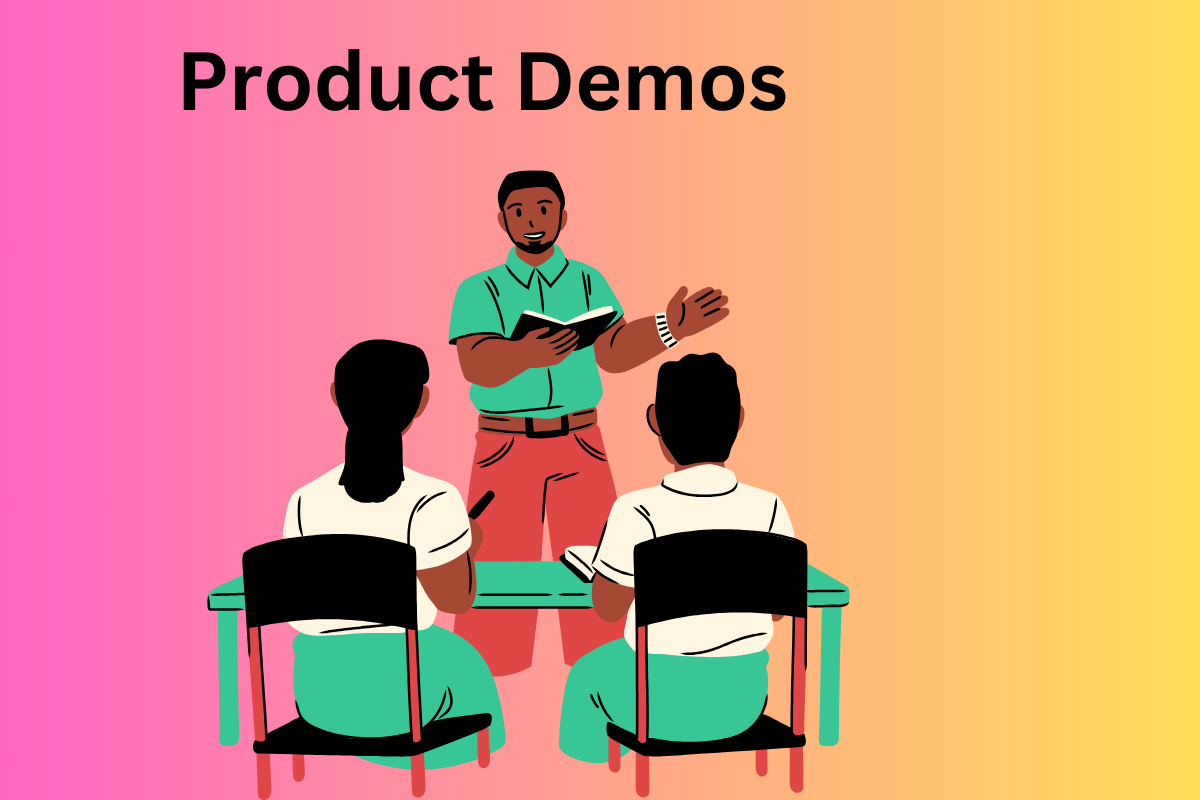
15. Product Demos
Product demos show how a product works and how it solves a specific problem. They happen inside trade shows, at conferences and online, and they are one of the highest-converting formats in a sales cycle.
Seeing beats reading. A five-minute live walkthrough removes more objections than a brochure ever will, so build the demo around the two or three problems buyers mention most.
16. Escape Room Adventures: Solve Your Way to Success
Lock a team in a themed room and give them 60 minutes to solve their way out. Whether the scenario is a physical room or a VR thriller, the format forces communication, delegation and lateral thinking.
- Why it works: Quiet colleagues become decisive contributors, and shared success under a visible timer accelerates trust faster than most conventional exercises.
- 2026 twist: Mixed-reality versions let remote teammates join by headset and manipulate digital props inside the physical room, so the whole team can play from anywhere.
- Planning tip: Check local provider rates before budgeting, as escape room pricing varies widely by city and scenario length.

17. VR/AR Immersions: Training, But Make It Sci-Fi
VR uses headsets to place people in a simulated environment; AR layers digital information onto the real one. Both turn passive learning into something you actively do, which is why they have become a serious training format rather than a novelty.
- Best use: High-risk or high-cost training — equipment handling, safety drills, walkthroughs of sites that do not exist yet.
- 2026 twist: Adaptive difficulty that responds to a participant’s focus or stress level, so the scenario gets harder as people improve.
- Planning tip: Keep individual sessions short and build in breaks. Motion discomfort is real, and scheduling a quiet room helps inclusivity.

18. Charity & CSR: Doing Good is Good Business
Charity and corporate social responsibility events put employees to work on something outside the business — clean-ups, tree planting, skills workshops for local schools or fundraising drives.
The internal return is often bigger than the external one: volunteering raises morale, strengthens cross-team relationships and matters a great deal to younger employees choosing an employer.
- 2026 twist: Transparent impact reporting — attendees increasingly want to see where their time and money actually went, not just a thank-you email.
- Planning tip: Partner with a registered charity early. Permits, waivers and safeguarding checks take longer than most teams expect.

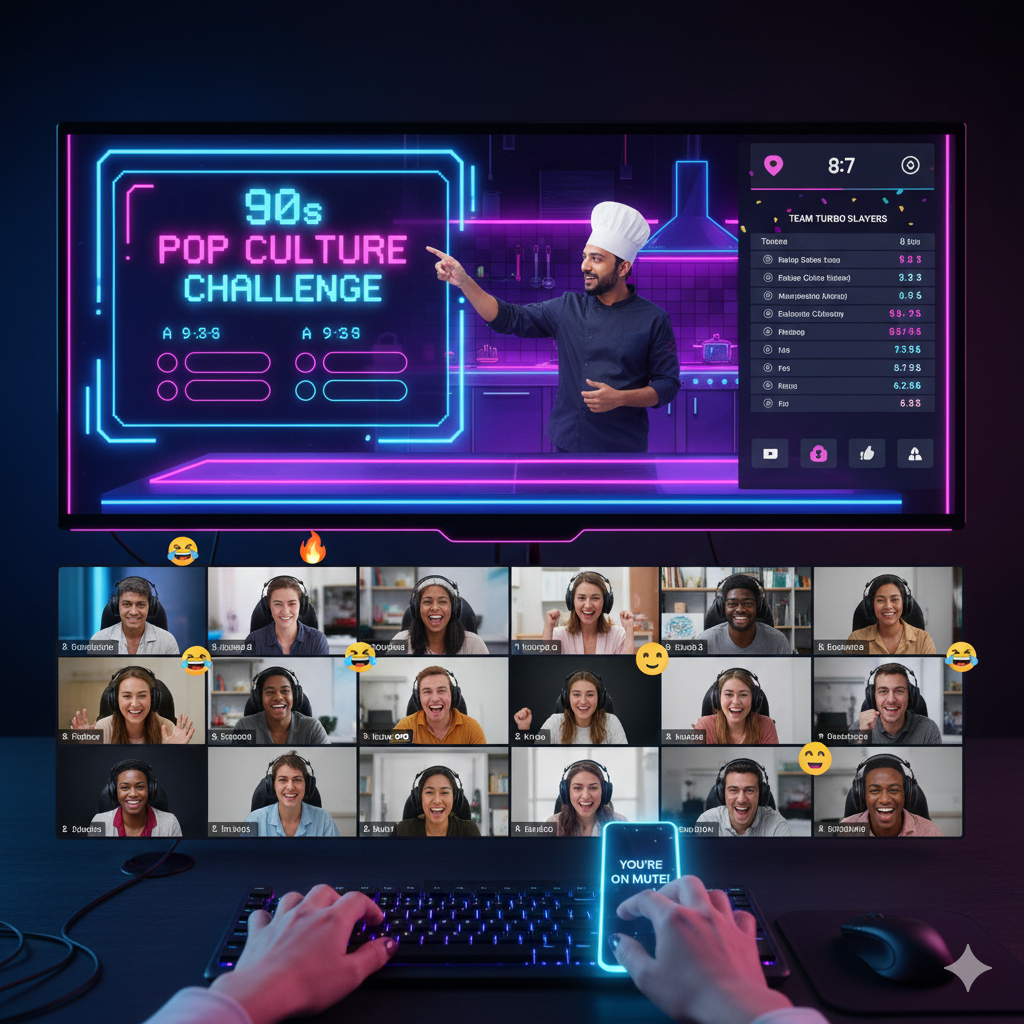
19. Virtual Trivia: Low Cost, High Laughs
A digital quiz night is the cheapest format on this list and the easiest to run for a distributed team. Round-based trivia keeps everyone involved, including people who never speak up in a standing meeting.
- Best use: Remote team morale, onboarding socials, and quick wins between larger events.
- 2026 twist: Virtual venue avatars that let people move around a digital room and mingle between rounds instead of staring at a grid.
- Planning tip: Mix work-adjacent and general knowledge questions. Nobody enjoys a quiz that is really a compliance test.
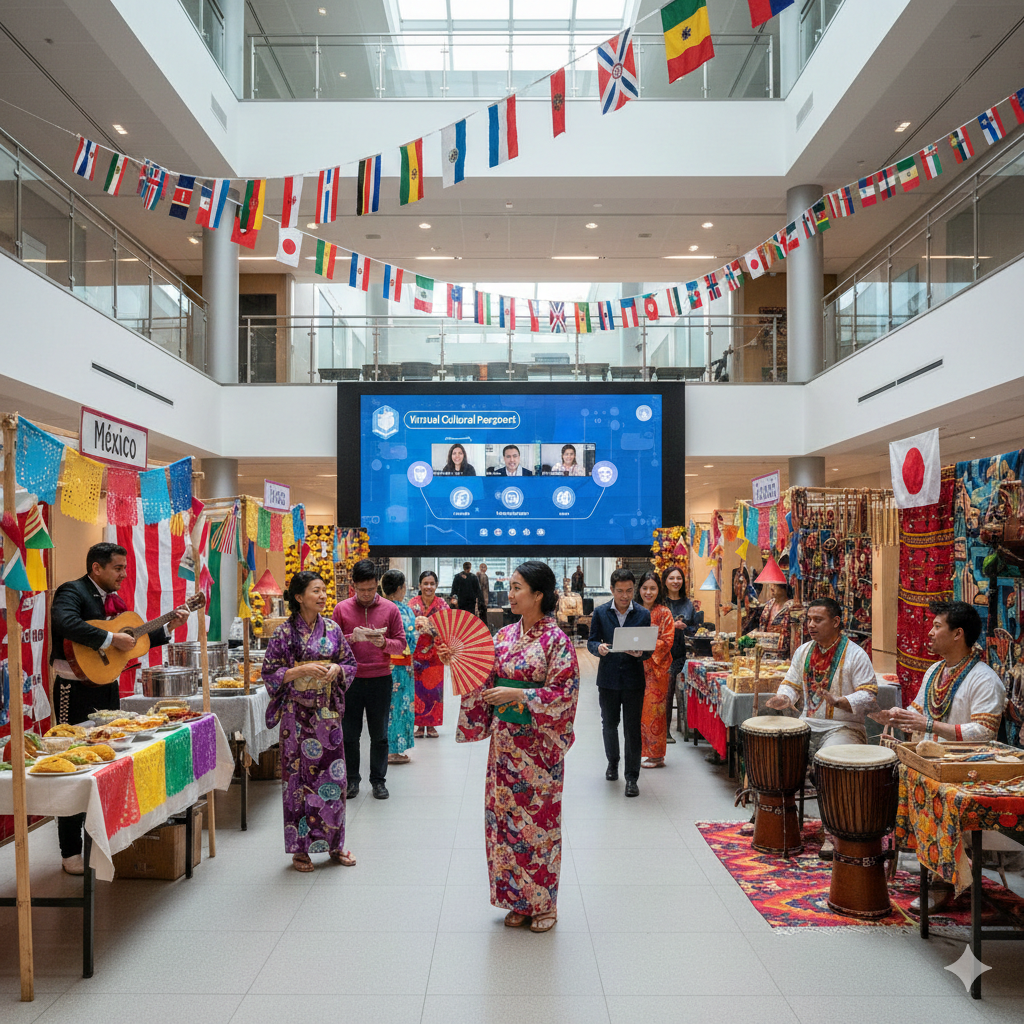
20. Cultural Festivals: A Trip Around the World
Celebrate the mix of heritages inside your own organisation with food stalls, music, storytelling and hands-on activities. Lunar New Year, Diwali, Nowruz and a global potluck all work as internal cultural festivals.
- Why it works: It converts diversity from a policy statement into something people enjoy together, which measurably improves how included employees feel.
- 2026 twist: Pair the physical event with virtual site visits to monuments or regions tied to the cultures being celebrated.
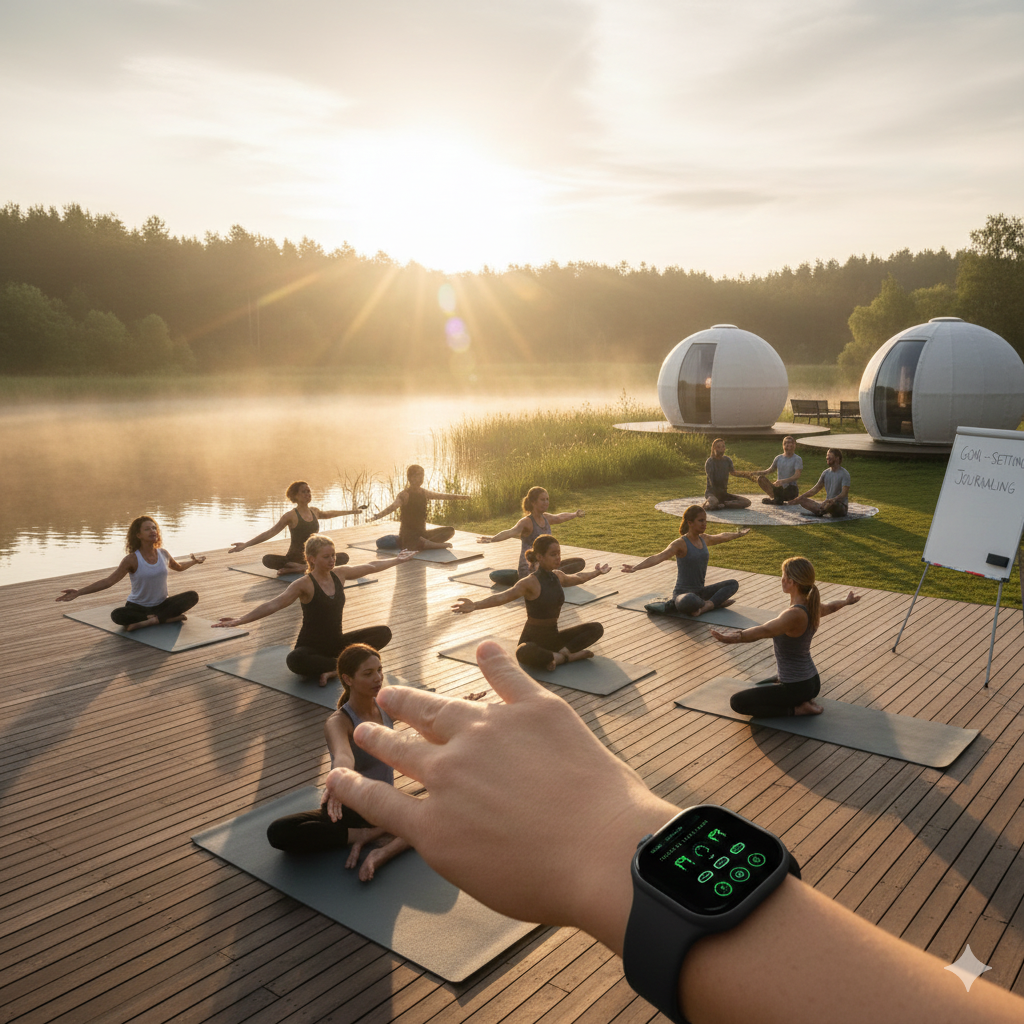
21. Wellness Retreats: The Ultimate “Unplug”
A wellness retreat is a deliberate reset: yoga, nature, guided meditation, structured downtime and no agenda for most of the day. It is the anti-burnout option for teams coming off an intense period.
Retreats need a longer lead time than any other format here because accommodation, travel and facilitator bookings all have to align. Start planning a season ahead.
22. Mixology & Cooking: The Secret Sauce of Teams
Hands-on food and drink workshops — cocktail mixing, dumpling classes, baking — are icebreakers disguised as an evening out. They work because everyone is doing something physical and slightly imperfect in front of colleagues.
- Why it works: Shared mess lowers the hierarchy barrier. Managers become just another person who overproofed the dough.
- 2026 twist: AR recipe overlays that guide each station through steps, useful when the instructor cannot get to every table.
- Inclusion tip: Always offer zero-proof and dietary-safe options so nobody is left holding a glass of water in silence.

How to Choose the Right Corporate Event Type
Twenty-two options are useless without a filter. Run every idea through these questions before booking anything.
- What is the single objective? Lead generation, retention, training and recognition need completely different formats. Pick one.
- Who is the primary audience? Employees and customers have different expectations of time, dress and content depth.
- In-person, virtual or hybrid? Hybrid reaches further but doubles the production work.
- What is the realistic budget per head? Retreats and immersions sit at one end; trivia nights and seminars sit at the other.
- When will you know it worked? Define the metric — registrations, attendance rate, leads captured or survey score — before you plan.
Meeting rooms, seminars and workshops can also be run by partner organisations, in which case you are managing bookings rather than content. If that is your situation, and your problem is the booking system rather than the guest list, see our guide to choosing the best WordPress event management plugin — it covers the software decision rather than the event formats.
How to Measure Event Success by Format
The right metric depends entirely on the format, so resist the temptation to count attendance across the board.
| Event type | Primary success metric |
|---|---|
| Seminars, workshops | Knowledge transfer — post-event assessment or survey |
| Trade shows, demos | Qualified leads captured per booth or session |
| Product launches, activations | Media coverage, reach and pre-orders |
| AGMs, investor meetings | Quorum, shareholder participation, follow-up commitments |
| Team building, retreats, cultural events | Participant satisfaction and participation rate |
| Virtual trivia, hybrid sessions | Active engagement, not just logins |
A Note on 2026 Event Trends
Three shifts are shaping planner decisions this year, and they cut across every format above.
- AI-assisted planning: Agenda building, scheduling and attendee Q&A are increasingly handled by AI tools, which shortens the planning cycle considerably.
- Return on Experience: Planners are being asked to prove how an event felt and what it changed, not just how many people came.
- Sustainability as a competitive edge: Local sourcing, paperless registration and lower-travel hybrid options are moving from nice-to-have to procurement requirement.
Wrapping Up
The 22 corporate event types above cover internal, external and hybrid formats, and each one is a tool for a specific job. A seminar builds authority, a trade show generates leads, a workshop teaches, an escape room builds trust and a retreat prevents burnout. Choosing well matters more than spending well.
Whatever format you settle on, registration is where most events succeed or fail. Add clear pricing tiers, a well-tested checkout and a seat allocation model that matches your venue, then measure the metric that reflects the objective you started with.
Frequently Asked Questions
Why are corporate events important?
Corporate events build relationships, improve internal communication and create team cohesion. Externally they generate leads, launch products, raise brand awareness and give companies a reason to bring clients, partners and investors together.
How do I plan a successful corporate event?
Set one clear objective first. Define your audience, pick the format that serves that objective, set a realistic budget per head, choose venue and date, publish an agenda, promote it through your own channels and partners, and collect feedback afterwards so you can measure what worked.
What is the role of technology in corporate events?
Technology handles three jobs: reaching attendees (virtual and hybrid platforms), running logistics (ticketing, seating, registration and check-in software) and measuring outcomes (analytics, surveys and lead capture). The right stack depends on the format, not the other way round.
How do I measure the success of a corporate event?
Choose metrics that match the format — attendee satisfaction surveys for internal events, lead capture for trade shows and demos, coverage and pre-orders for launches, and quorum or commitments for investor-facing meetings. Comparing a retreat to a trade show on attendance alone tells you nothing useful.
What are the best corporate event ideas for remote teams?
Virtual trivia, VR and AR immersions, hybrid seminars and online workshops all work well remotely. Escape room and cooking formats can also run remotely using mixed-reality or followed-along formats, as long as you schedule time for unstructured conversation.
