 Get Halloween 15% for Limited Time on Lifetime & Bundle Deal

Most rental business lists recycle the same five categories: cars, apartments, tools, party equipment and bikes. Those markets are crowded, capital-heavy and already well served by big platforms. The genuinely unique rental business ideas live one layer down in niches where demand exists but supply is scattered, informal or nonexistent. This guide covers twelve of them, what each one actually requires in stock, space and deposits, and how to tell whether a niche is underserved or simply empty.
What Makes a Rental Niche Genuinely Unique
“Unique” gets used loosely. For a rental business, it should mean three concrete things:
- Low local supply. You can count the competing providers in your city on one hand.
- Repeat or recurring demand. A one-off novelty dies after the first season; rentals need the item to come back out again.
- An asset that survives the rental. Consumables, hygiene items, and anything easily destroyed by a careless customer are poor rental inventory.
A niche that scores well on all three usually beats a mainstream category with better margins and far less ad spend. Before you commit, spend an afternoon searching local marketplace listings and classifieds for the item; thin, inconsistent supply is your signal.
12 Unique Rental Business Ideas Worth Testing
1. Specialty Camera and Lens Library
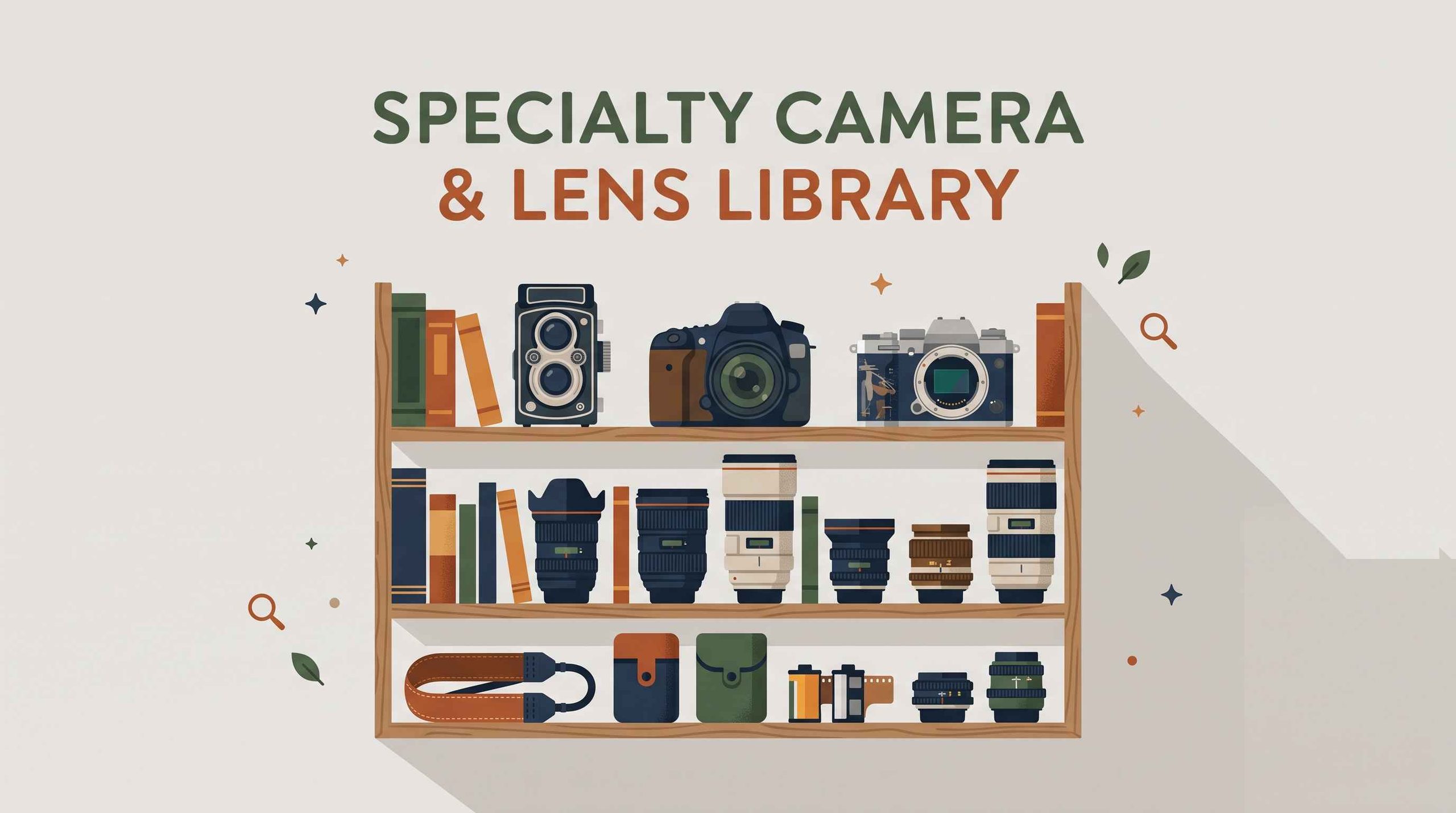
Wedding photographers, film students, and content creators need a specific lens or body for a two-day shoot, not a lifetime purchase. Rent cine lenses, vintage glass, gimbals, and lighting kits by the day, with a deposit that reflects replacement cost. The barrier is trust and insurance, not the gear itself.
2. Outdoor and Camping Gear Library
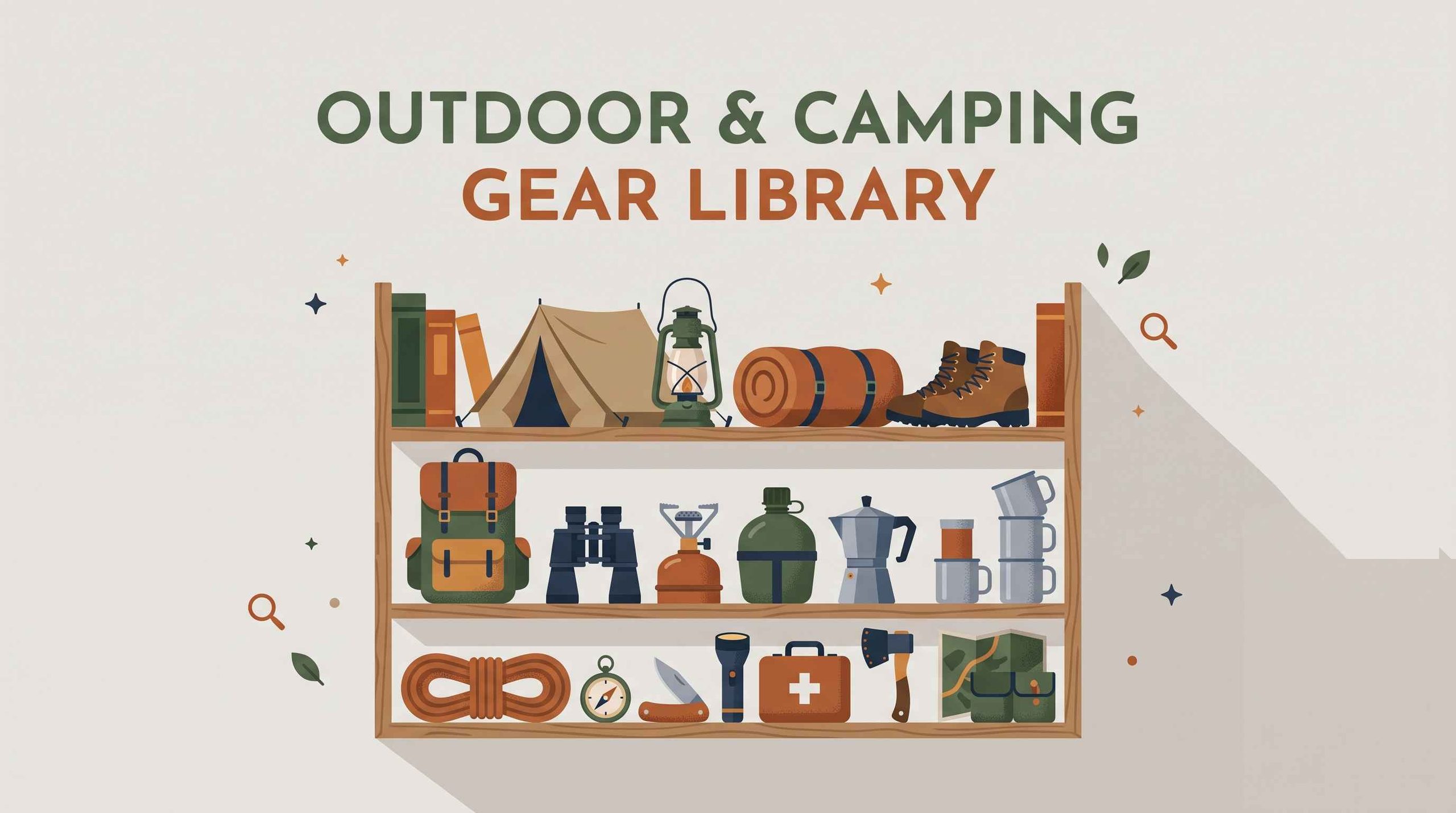
Tents, sleeping systems, trekking poles, and camp stoves are used a handful of times a year by most buyers. A gear library works especially well where tourism is seasonal, and storage is cheap. Bundle “complete kits” rather than single items; customers pay more for a solved problem.
3. Baby Equipment on Short-Term Hire
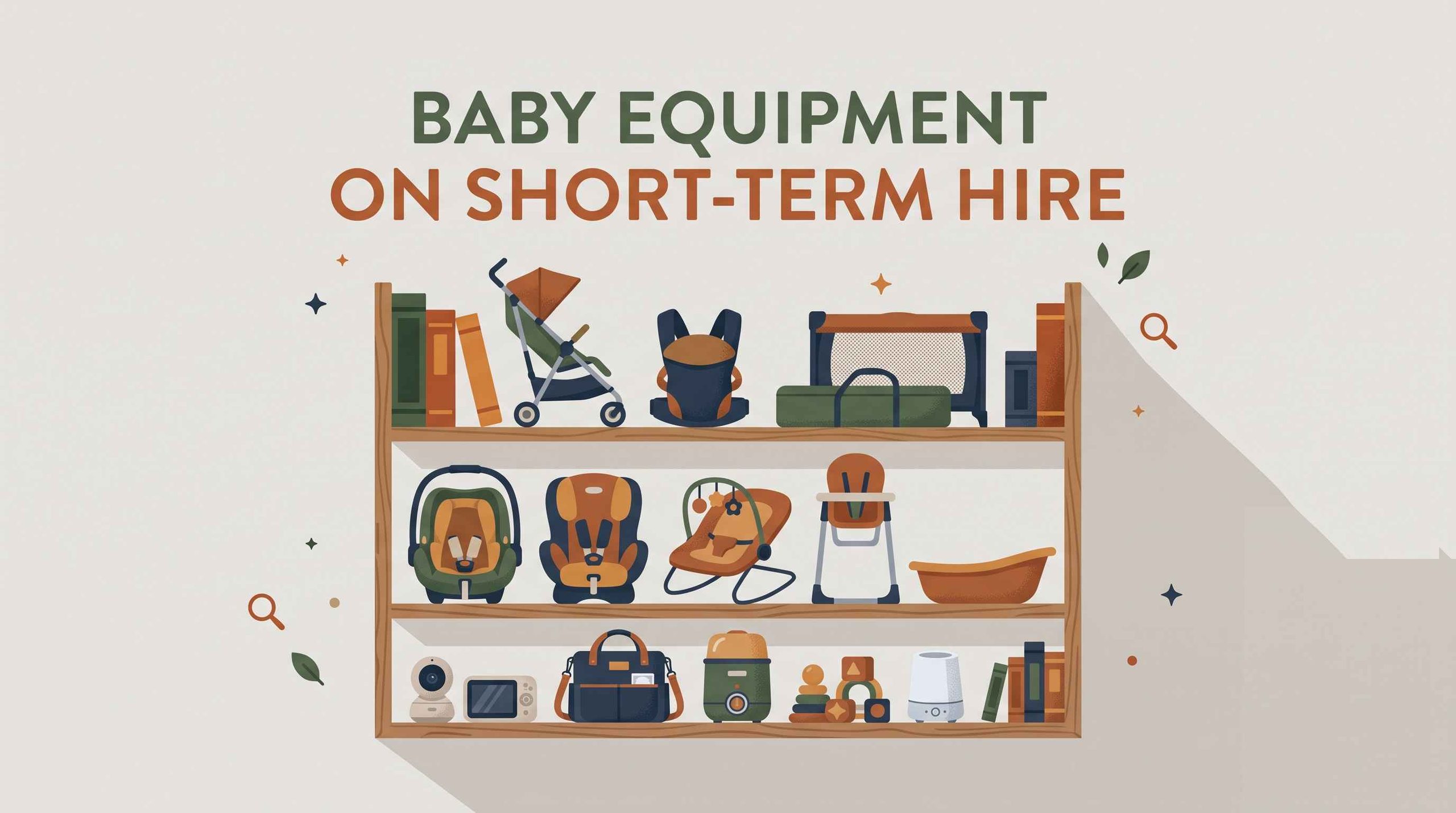
Traveling families, grandparents and visiting relatives need cribs, strollers, high chairs and car seats for a week. Hygiene and safety certification are non-negotiable, and cleaning labour must be built into the price. This niche rewards operators who publish clear sanitisation procedures.
4. Medical Recovery and Mobility Equipment
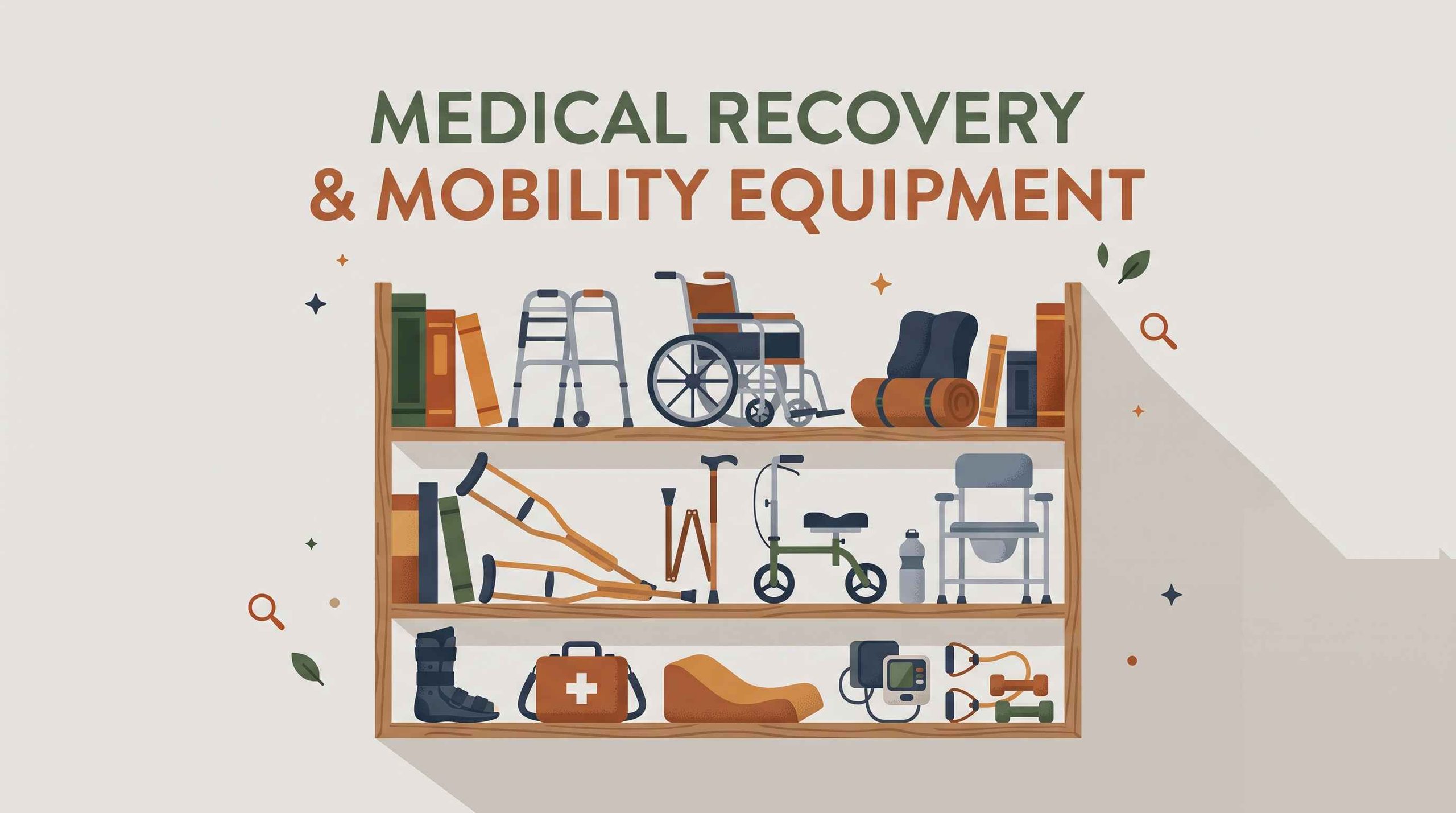
Crutches, wheelchairs, knee scooters, hospital beds and cold-therapy machines are typically needed for four to twelve weeks. Demand is steady, price sensitivity is lower than in consumer rentals, and many customers arrive via clinics. Check local regulations on medical device hire before investing.
5. Tools and DIY Equipment Rental
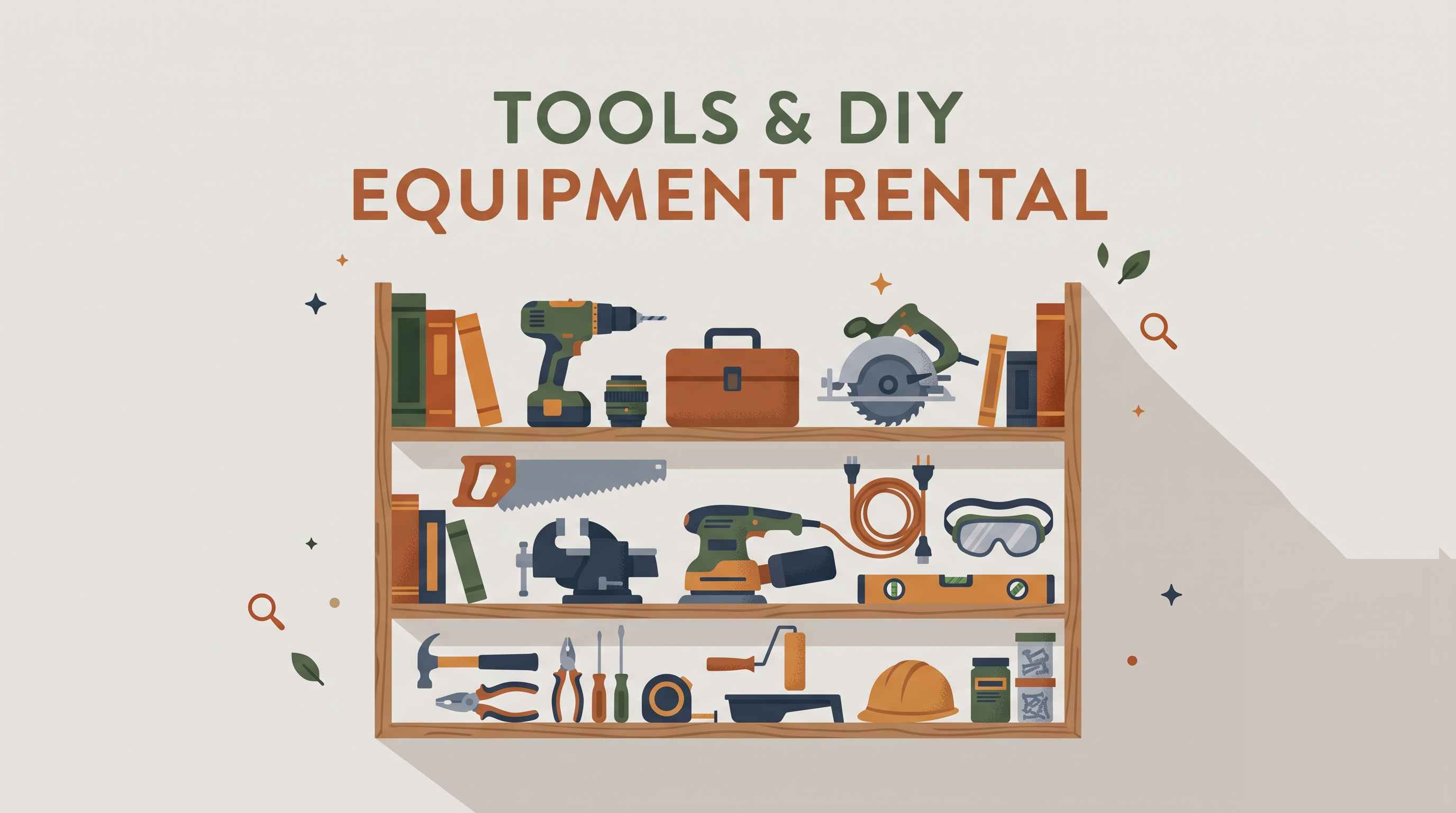
Tile saws, floor sanders, demolition hammers and scaffolding are the classic “buy it, use it once” problem. This niche is capital-intensive but benefits from high utilisation and a customer base that includes contractors who rent repeatedly. See how to structure listings and availability in this guide to creating an equipment rental website.
6. Formalwear and Costume Rental
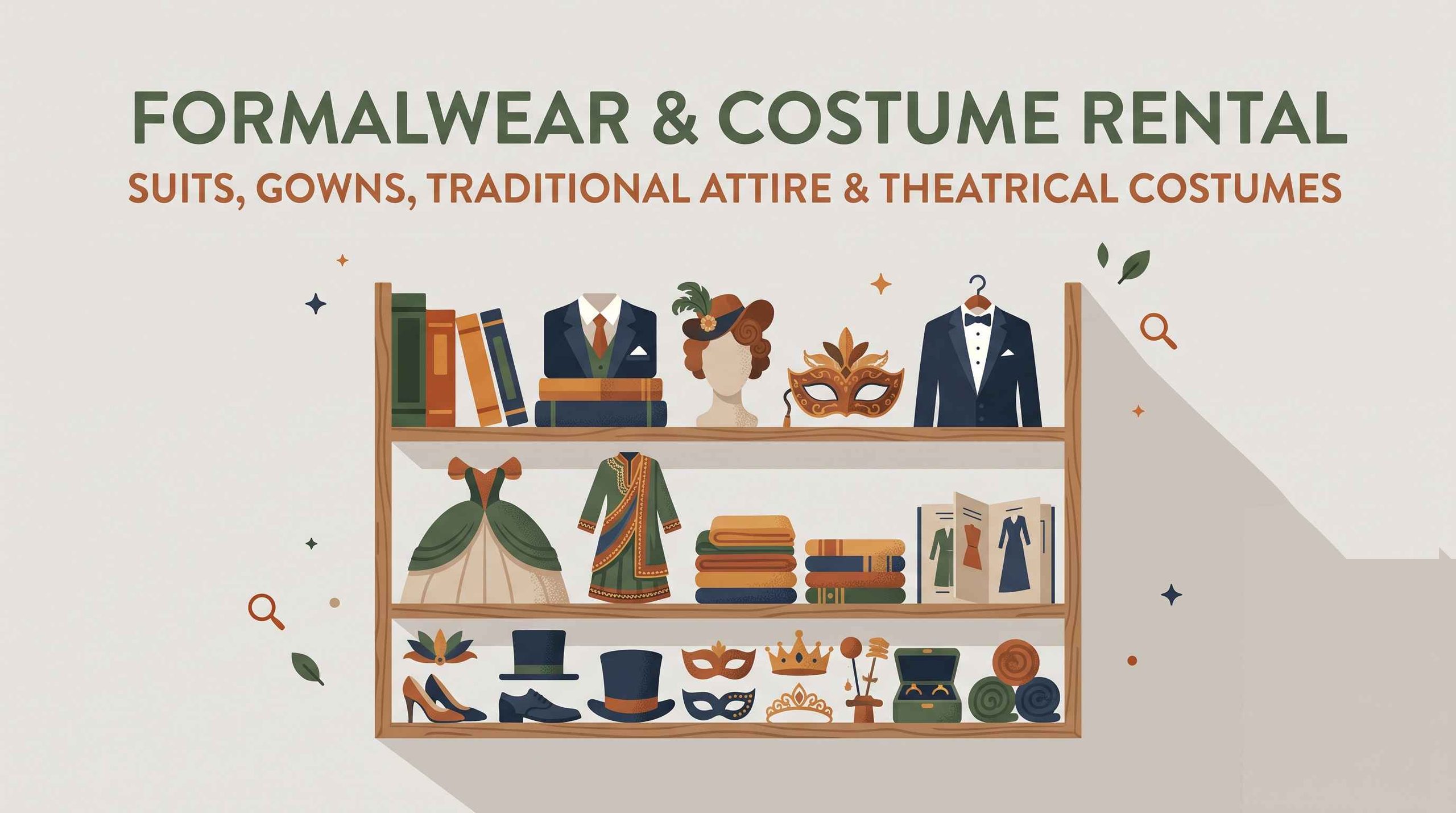
Suits, gowns, traditional attire and theatrical costumes carry strong margins because the same item can be rented dozens of times. Sizing, alteration turnaround, and cleaning cycles are the operational puzzle. Seasonal peaks, wedding and festival months, define your cash flow.
7. Event Décor and Furniture Rental
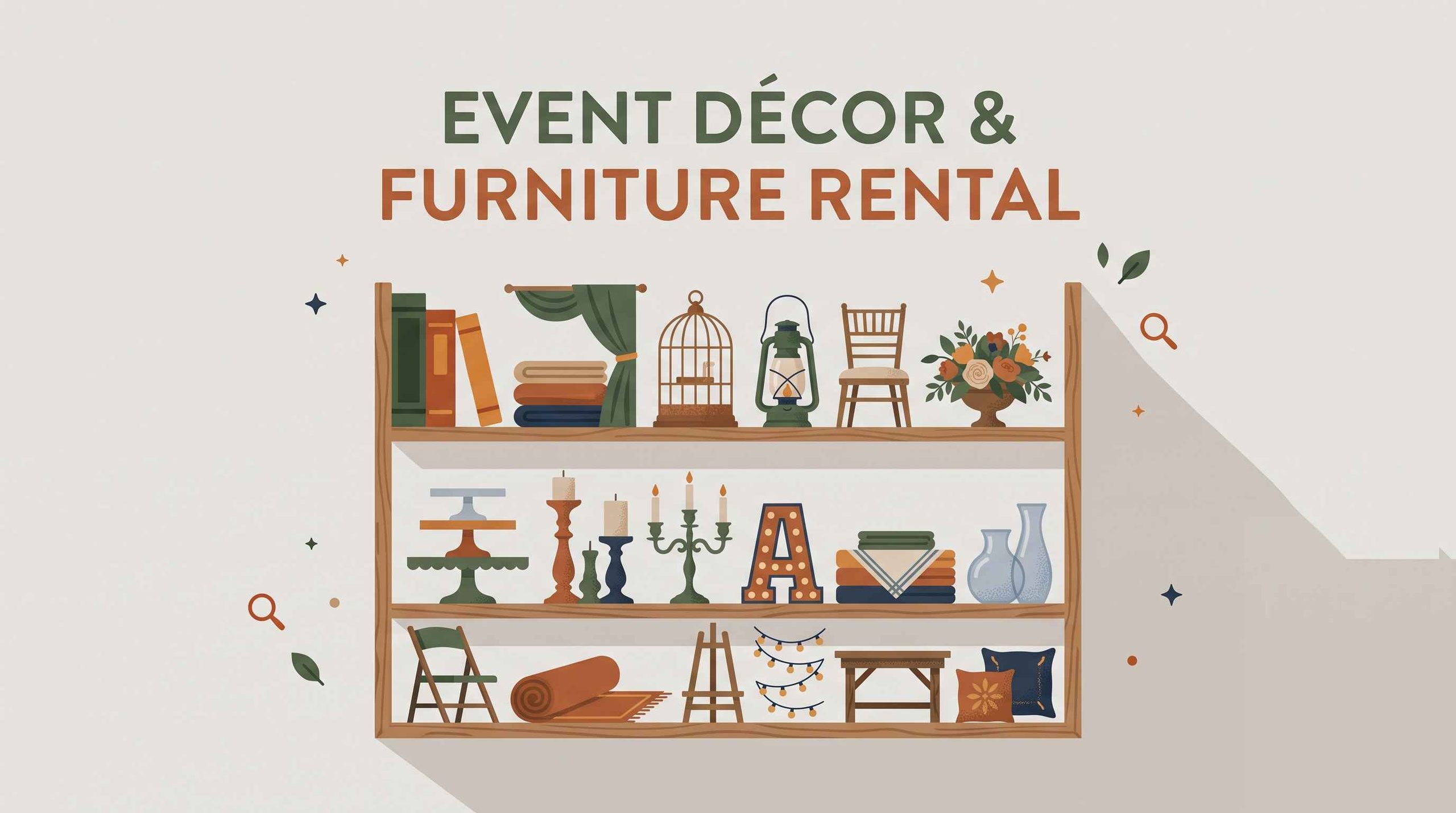
Arch backdrops, lounge furniture, tableware, lighting and drapery let hosts create a look without buying storage they will never use again. Success depends on delivery logistics and damage deposits. Corporate and festival clients book further ahead and in larger volumes than private customers. For the event-side demand picture, see our roundup of corporate event types.
8. Musical Instrument Rental
Beginners quit, students outgrow instruments, and touring bands need a backline in a city they are only passing through. Monthly instrument subscriptions with a purchase option convert well because parents prefer not to commit. Setup and tuning labour is a real cost; price it in.
9. Sports and Recreation Equipment
Kayaks, paddleboards, skis, snowboards, golf sets and e-bikes all suffer the same problem: high purchase price, low usage frequency. Location matters more than marketing: put the inventory where the activity happens. Off-season storage is the main financial risk.
10. Home Staging and Styling Inventory
Real estate agents, short-let hosts and homeowners preparing to sell need furniture, art and accessories for four to eight weeks. You are effectively renting a look. Clients often repeat, and staging inventory can be reused indefinitely with care.
11. Party and Celebration Kits
Rather than renting individual items, rent packaged experiences: a full kids’ party kit, a picnic set, a backyard cinema bundle. Curation is the product. Consumables like balloons and tableware should be sold, never rented.
12. Micro-Storage and Trailer Hire
Small trailers, roof boxes, moving crates and climate-controlled locker space solve short, awkward problems: moving house, renovating, storing a seasonal business’s stock. Recurring monthly revenue makes this one of the most predictable niches on the list.
Comparison: What Each Niche Actually Demands
Use this as a first filter before you spend on inventory. Figures below describe relative intensity, not fixed costs; always price your own setup.
| Niche | Upfront stock cost | Space needed | Main operational load |
|---|---|---|---|
| Camera and lens library | High | Low | Insurance, deposits, condition checks |
| Camping gear | Medium | Medium | Cleaning, seasonal demand |
| Baby equipment | Medium | Low | Sanitisation, safety compliance |
| Medical and mobility | High | Medium | Regulation, clinic referrals |
| Tools and DIY | High | Medium | Delivery, maintenance, damage |
| Formalwear and costumes | Medium | Medium | Alterations, cleaning cycles |
| Event décor and furniture | High | High | Logistics, deposits, peak scheduling |
| Musical instruments | Medium | Low | Setup, tuning, repairs |
| Sports and recreation | High | High | Location, off-season storage |
| Home staging | Medium | Medium | Install, collection, styling |
| Party kits | Low | Low | Repacking, restocking, cleaning |
| Micro-storage and trailers | Low | High | Access control, security, upkeep |
How to Validate a Rental Niche Before You Buy Anything
- Write the rental unit. “One weekend,” “one month,” “per day” — if you cannot name it clearly, customers cannot book it.
- Test demand cheaply. List three items you already own in the niche and see whether enquiries arrive. This costs nothing and answers the supply question fast.
- Model utilisation, not just price. A cheap item rented 20 days a month beats an expensive item rented twice.
- Price the hidden costs. Cleaning, delivery, maintenance, insurance and the inevitable write-offs. These routinely exceed operators’ expectations.
- Confirm your deposit and damage policy. Decide up front how you handle late returns, broken items, and disputed condition on collection.
Where Most Unique Rental Ideas Fail
Three recurring mistakes sink otherwise sound niches:
- Booking by phone and message. Ad hoc scheduling means double bookings, lost deposits, and no record of who has what. Even a small inventory needs a real availability calendar.
- No deposit workflow. Manual deposits are the single biggest source of disputes in high-value rentals.
- Underpricing to win the first customers. Rental pricing has to absorb repair cycles. Discounting early trains customers to expect rates that never cover your costs.
If your niche involves vehicles, trailers, or anything with a licence and insurance requirement, the operational and legal layer gets deeper. If you need a vehicle-focused setup rather than a general inventory one, see the car rental plugin setup guide.
Choosing a Booking System for an Unusual Inventory
Unusual items break generic booking tools. Before you commit to any software, check that it can handle:
- Per-day, per-week and per-month rates on the same item, with seasonal variation.
- Deposits separate from the rental fee, so returns and refunds are tracked cleanly.
- Buffer time between bookings for cleaning, inspection, or turnaround.
- Extras and bundles, since kits outsell single items in most niches above.
- Quantity-based inventory if you own eight identical tents rather than one of everything.
Niche selection and platform selection are separate decisions, and it is worth doing them in that order pick the idea you can actually service, then match the tooling to it. If your niche leans toward accommodation, short stays or holiday lets rather than equipment, this is a different problem set: if you need a lodging-focused build rather than an inventory-based rental operation, see the guide to building a vacation rental website.
Conclusion
The strongest unique rental business ideas are rarely invented; they are borrowed from a frustration people already have and can already describe. Start with one niche from this list that matches the space you have and the customers you can physically reach. Validate with a handful of items you already own, confirm your deposit and cleaning policy, and only then scale the inventory. Niche first, tooling second, marketing third.