 Get Halloween 15% for Limited Time on Lifetime & Bundle Deal


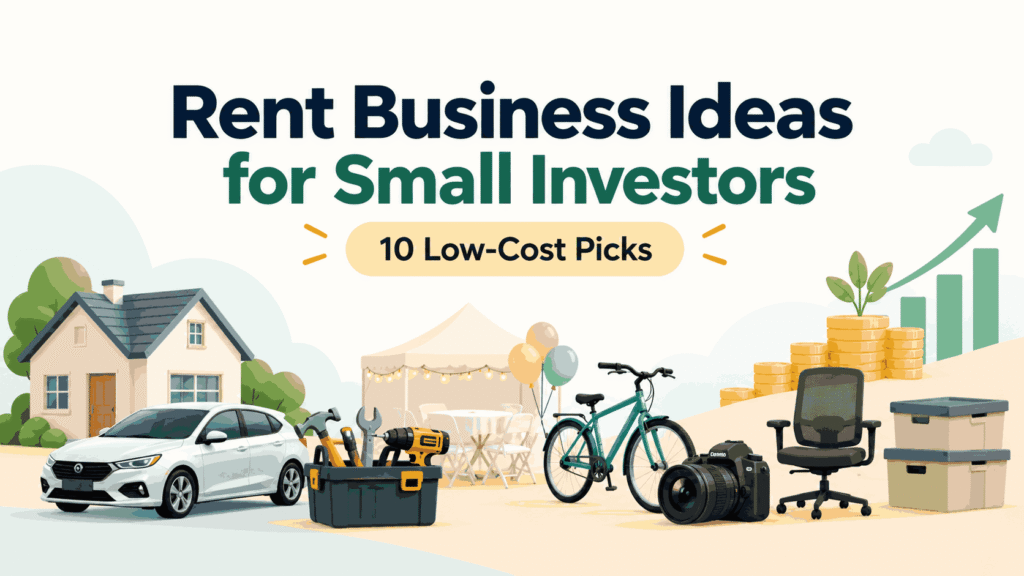
Looking for rent business ideas that actually fit a small budget? This guide focuses on rental models you can start with limited capital, minimal storage, and no dedicated commercial space: equipment that fits in a car, short-cycle rentals, and assets that return in reusable condition. For each idea, you’ll find what you rent, roughly what it costs to start, how the money comes in, and what to watch before you commit. Figures below that are market-dependent are deliberately left open, so treat them as planning prompts rather than quotes.
- What Makes a Rental Business Idea Work for a Small Investor
- 10 Rent Business Ideas You Can Start With a Small Budget
- Compare the Ideas at a Glance
- How to Choose the Right One for Your Situation
- Set Up the Booking and Inventory System From Day One
- Common Mistakes That Sink Small Rental Operations
- Frequently Asked Questions
- Next Steps
What Makes a Rental Business Idea Work for a Small Investor
Renting out assets is attractive because one purchase can earn repeatedly. But the model only works when a few conditions are met. Before picking from the list, test each idea against these five filters.
- Utilisation: the asset needs to be booked often. An item rented twice a year ties up cash without returning it.
- Reusability: it must come back in sellable or re-rentable condition. Anything consumable is a product sale, not a rental.
- Storage footprint: bulky inventory means warehouse rent, which is the cost that quietly kills small rental operations.
- Turnaround cost: cleaning, charging, servicing, and inspection time is real labour. Short-cycle items need a fast reset routine.
- Damage and security: you need a deposit structure, an identification check and clear condition records before handover.
One structural point matters more than any single idea: rentals are operationally heavy. A booking calendar, availability checks, deposits, delivery slots and returns all have to be tracked; otherwise, you double-book or lose inventory. Many of the models below are only viable at small scale because booking and inventory software now does that work for you rather than a spreadsheet.
10 Rent Business Ideas You Can Start With a Small Budget
The ideas are grouped so you can see what kind of operation each one becomes. Costs quoted are typical starting ranges for a small pilot and will vary by city, sourcing channel, and whether you buy new or used.
1. Camera and Lens Rental

A single body and two lenses are enough to test demand. Photographers and videographers who shoot occasionally would rather rent for a weekend than spend on gear that sits idle.
- Who rents it: event shooters, content creators, travellers, students on assignment.
- Typical model: daily or weekend rate, with a refundable damage deposit.
- Watch out for: sensor damage and lens scratches. Photograph the gear with the renter present at handover.
2. Party and Event Furniture Hire

Chairs, tables, linens, arches and cocktail furniture sell in sets, and one event can cover a large share of the purchase cost. Repeat clients come from planners and venues rather than one-off hosts.
- Who rents it: wedding planners, corporate event organisers, restaurants hosting private functions.
- Typical model: per-item rate plus delivery and collection charges.
- Watch out for: transport. Bulky stock requires a van and a helper on every job.
3. Tool and Power Equipment Rental

Drills, tile cutters, pressure washers, generators, and compact mixers are bought by homeowners for one project only. Contractors rent when their own equipment is committed elsewhere.
- Who rents it: DIY homeowners, small contractors, renovation crews.
- Typical model: hourly, daily, and weekly tiers, with the weekly rate discounted.
- Watch out for: wear parts and safety compliance. Budget for blade, bit, and filter replacement.
4. Baby Gear and Child Equipment
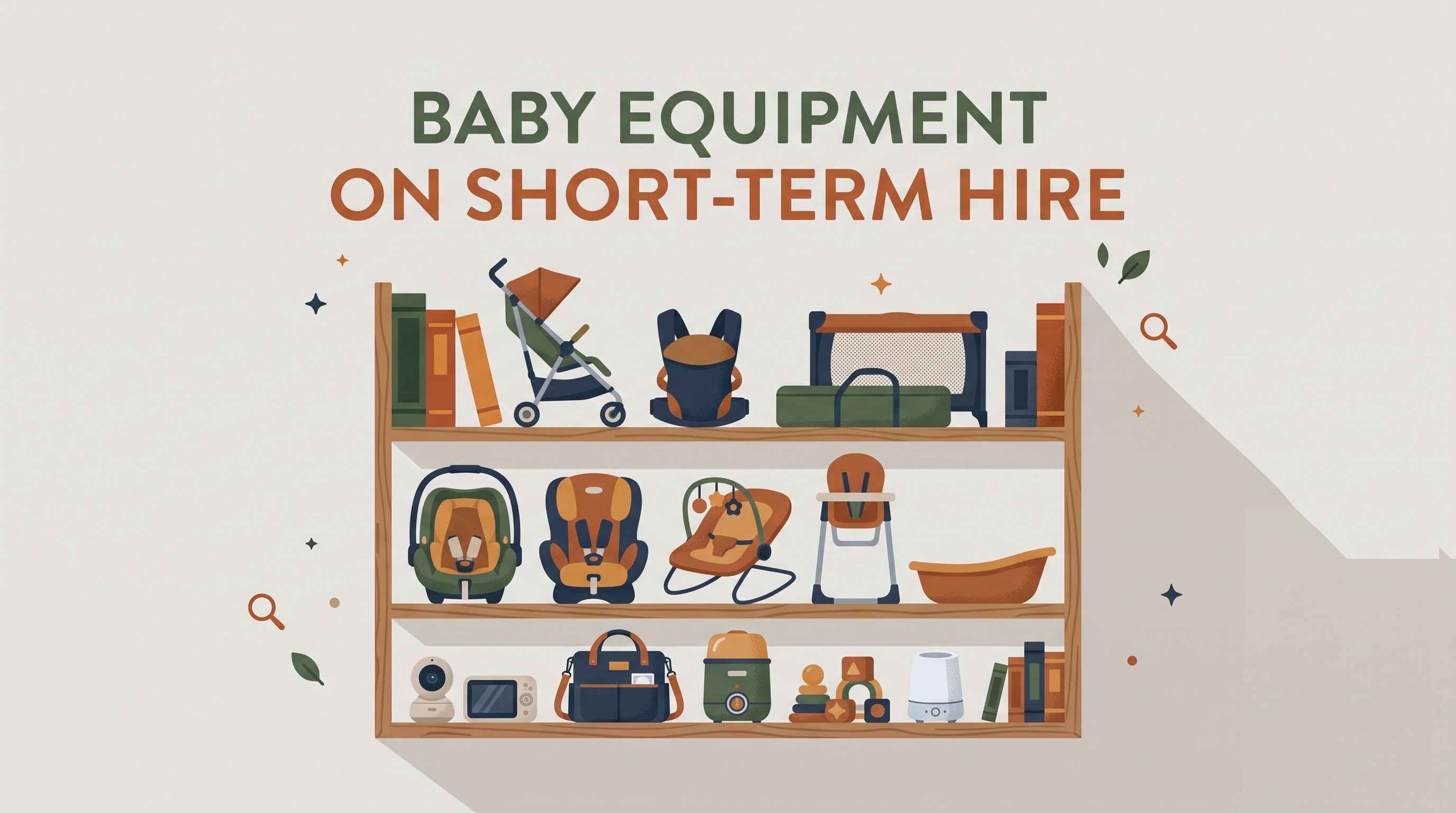
Cots, strollers, high chairs, and car seats are used for a handful of months, which makes ownership feel wasteful. Travelling families and short-stay visitors are a strong secondary market.
- Who rents it: new parents, visiting families, holiday-let hosts.
- Typical model: monthly subscription with an optional buy-out at the end.
- Watch out for: hygiene and safety recalls. Sanitising must be documented, not assumed.
5. Home and Garden Equipment
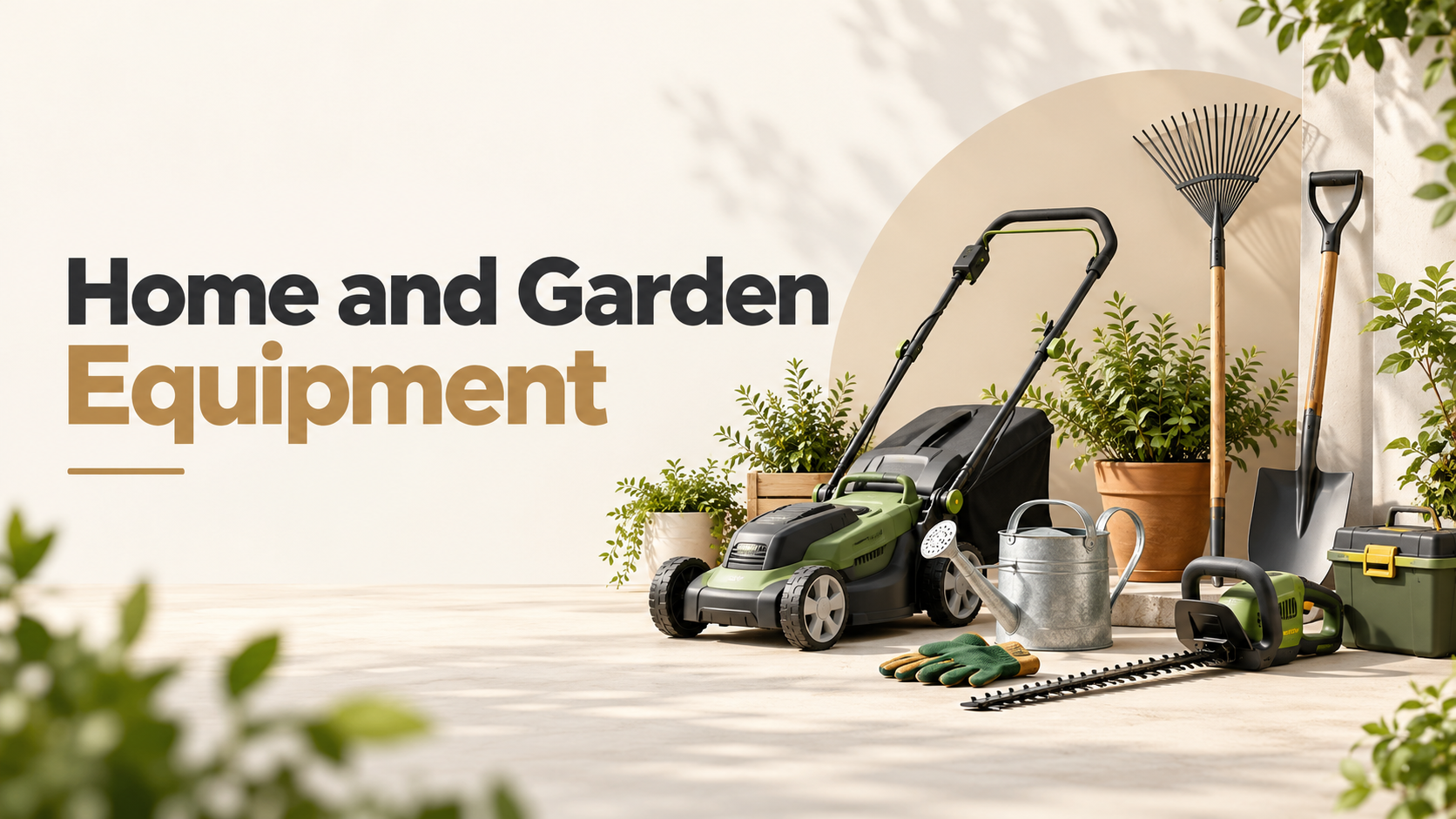
Lawnmowers, hedge trimmers, pressure washers, carpet cleaners and floor sanders are seasonal, expensive and used a few times a year.
- Who rents it: homeowners, landlords, small cleaning businesses.
- Typical model: half-day and full-day rates, higher in peak season.
- Watch out for: seasonality. A single category will have empty months, so pair summer and winter items.
6. Mobility and Accessibility Aids
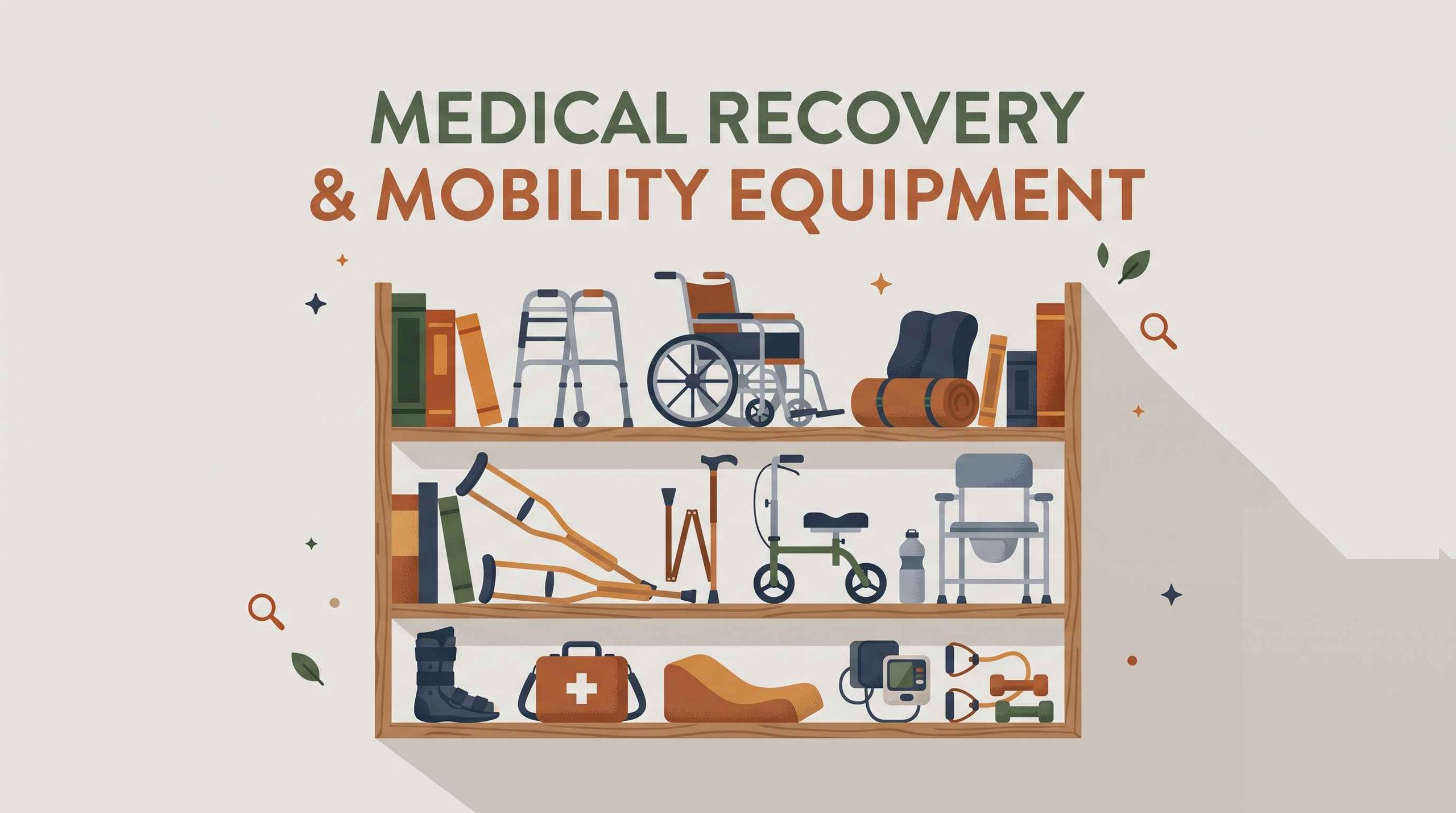
Wheelchairs, walkers, ramps, hospital beds and knee scooters are needed for recovery periods, which are temporary by nature. Demand is steady, and price competition is often low.
- Who rents it: patients after surgery, elderly customers, family carers.
- Typical model: weekly rate with a refundable deposit, plus delivery.
- Watch out for: inspection between users and a clear liability policy. Get the paperwork right.
7. Sports and Outdoor Gear

Kayaks, paddleboards, bicycles, camping bundles and ski equipment are classic rent-not-buy categories because most people use them a few times a year.
- Who rents it: tourists, weekend groups, schools and clubs.
- Typical model: hourly for on-site use, daily for off-site hire.
- Watch out for: transport and insurance. Group bookings need a safety briefing and signed waiver.
8. Trailer and Small Vehicle Hire
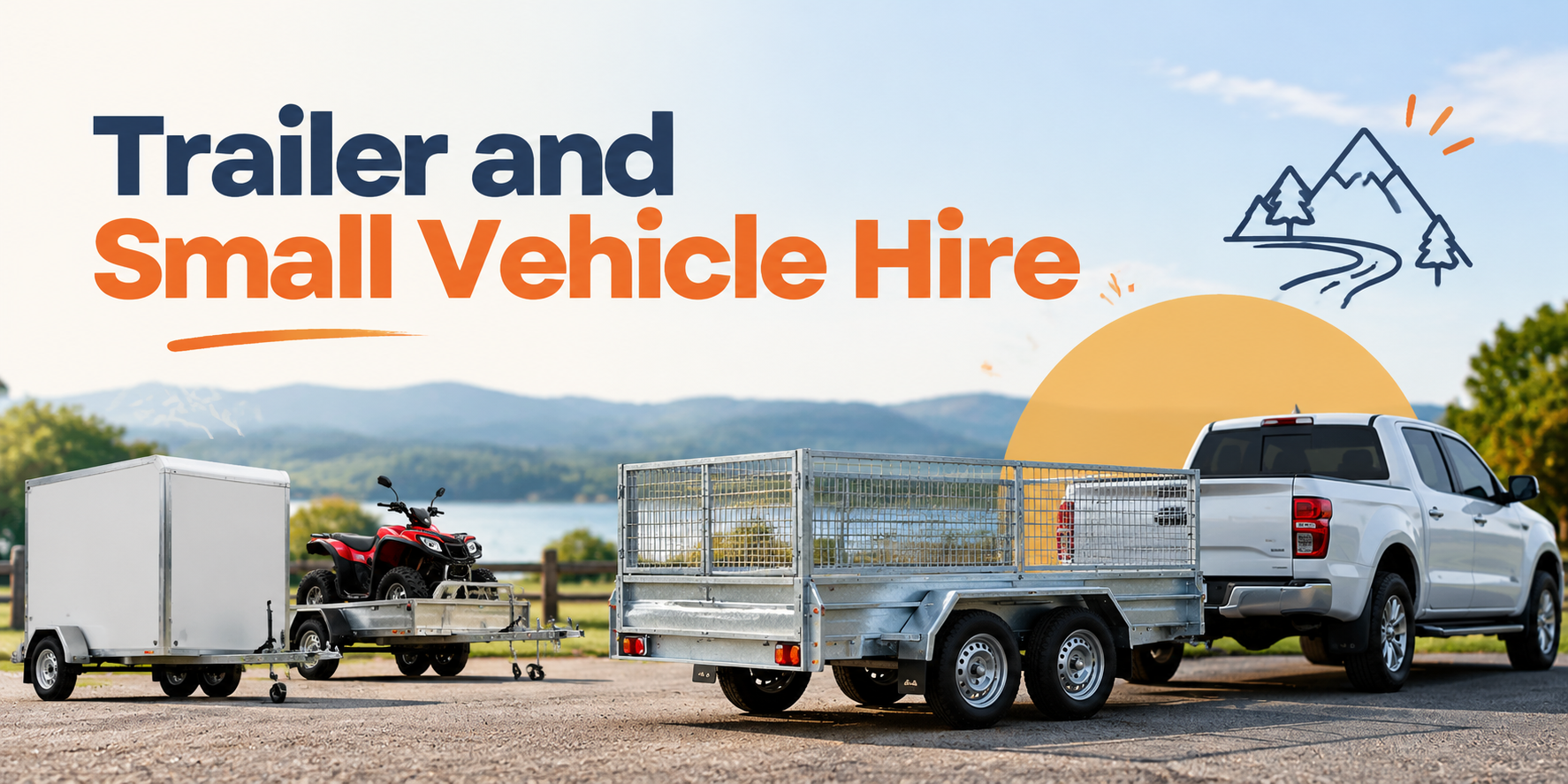
Box trailers, tow hitches, roof racks and small vans serve moves, market days and project deliveries. Capital cost is higher here, so it suits a partnership or a second business alongside an existing one.
- Who rents it: movers, traders, tradespeople, marketplace sellers.
- Typical model: daily rate with mileage limits and a security deposit.
- Watch out for: insurance and licensing rules, which vary by jurisdiction. Confirm the requirements before buying.
9. Formalwear and Costume Rental

Suits, gowns, costumes, and accessories carry high purchase prices and are worn once or twice. Careful customers pay for the convenience of not owning.
- Who rents it: wedding parties, graduations, theatre groups, photo shoots.
- Typical model: flat rental fee with a cleaning charge and size-based deposit.
- Watch out for: size range management and dry-cleaning costs, which can eat the margin on low-priced items.
10. Event Technology and AV Kits

Projectors, screens, sound systems, lighting kits, microphones and video-conference equipment are ideal for short hires tied to a specific date.
- Who rents it: small businesses running offsites, community groups, conference organisers.
- Typical model: per-day rate, with setup and teardown charged separately.
- Watch out for: kit completeness. One missing cable turns a profitable booking into a refund request, so pack lists are essential.
Compare the Ideas at a Glance
| Idea | Startup Cost Level | Storage Needs | Earning Model | Main Risk |
|---|---|---|---|---|
| Camera and lens rental | Medium | Very low | Daily / weekend rate | Damage to optics |
| Party and event furniture | Medium | High | Per item + delivery | Transport costs |
| Tools and power equipment | Medium | Medium | Hourly/daily / weekly | Wear and safety |
| Baby gear | Low to medium | Medium | Monthly subscription | Hygiene and recalls |
| Home and garden equipment | Low to medium | Medium | Half-day / full-day rate | Seasonality |
| Mobility aids | Medium | Medium | Weekly + deposit | Liability and inspection |
| Sports and outdoor gear | Low to high | Medium to high | Hourly / daily | Insurance |
| Trailers and small vehicles | High | High | Daily + mileage limit | Regulation and insurance |
| Formalwear and costumes | Low | Medium | Flat fee + cleaning | Cleaning margins |
| Event technology and AV | Medium | Low to medium | Per-day + setup fee | Kit completeness |
How to Choose the Right One for Your Situation
The best fit depends less on the idea and more on the constraints you already have. Work through these in order.
- Start from access, not from trends. If you already know a photographer, a contractor, or a wedding planner, that relationship is the demand signal that matters most.
- Match storage to your reality. A spare room or garage suits cameras, tools and AV kits. Furniture and trailers do not fit unless you have real space.
- Estimate demand before you buy. Run the idea as a one-off by arranging a single sub-hire or borrowing stock, then see how many enquiries you actually get.
- Price to cover the full cycle. The daily rate must fund cleaning, delivery, maintenance, replacement reserves, and idle days, not just the purchase price.
- Decide your deposit rule early. Deposits protect you, but they also affect conversion. Set the same rule for every customer rather than deciding case by case.
Set Up the Booking and Inventory System From Day One
Once enquiries arrive, the operational work begins: confirming availability, taking payment, scheduling delivery, recording condition at handover, tracking the return date, and releasing the deposit. Doing this manually is fine for one or two bookings a month. Beyond that, it costs you repeat customers.
A rental booking plugin on WordPress lets you run this on your own site: item listings with availability windows, booking dates selected by the customer, deposits, delivery or pickup options, and automated reminders as the return date approaches. That matters for two reasons. First, you keep the customer relationship and the data instead of renting it from a marketplace. Second, automated reminders and condition records are what make damage disputes manageable rather than personal.
Whatever tool you choose, confirm the features you actually need before committing: calendar conflicts, deposit handling, late-fee rules, tax display and mobile checkout. Check current pricing on any platform you shortlist, since plans and included features change.
Common Mistakes That Sink Small Rental Operations
- Underestimating idle time. Planning revenue on 100% utilisation is the fastest route to disappointment. Assume a realistic booking rate and test the numbers again.
- Ignoring the cost of returns. Pickup, inspection, and cleaning are labour. Price them into the rate instead of absorbing them.
- No condition record. A timestamped photo or checklist at handover prevents most deposit arguments.
- Buying too much stock at once. Validate demand with a narrow inventory first, then reinvest the revenue.
- Mixing rentals with sales without separating bookings. If you also sell the same items, keep the rental calendar distinct so availability stays accurate.
Frequently Asked Questions
How much money do I need to start a rental business?
Low-capital options such as formalwear, baby gear, tools or AV kits can be piloted with a very small inventory, so the main costs are the first few items plus storage and promotion. Furniture, trailers and vehicle hire need significantly more because stock is bulky and transport is unavoidable. Set a pilot budget you can afford to lose, prove demand, then scale.
Which rent business idea is most profitable?
Profitability depends on utilisation and reset cost rather than the category itself. Items with high repeat demand, short rental cycles, and cheap servicing tools AV equipment, event furniture used frequently tend to produce better margins than high-ticket assets that sit idle for months. Run your own numbers using realistic booking rates before deciding.
Do I need a website to run a rental business?
Not strictly, but you need a booking system. Marketplaces can supply early enquiries, yet they take a cut, own the customer relationship, and limit how you present deposits and delivery terms. A lightweight website with rental booking software gives you availability control and repeat-customer data from the start.
How do I protect myself against damaged or unreturned items?
Use three layers: a refundable security deposit, verified identification at handover, and a written condition record with photos signed by the customer. Clear, published terms reduce disputes and make it obvious to customers what is expected of them.
Next Steps
Pick one idea from the list, name the two or three customers who would realistically book it, and price a single rental cycle, cleaning, delivery, maintenance reserve, and idle days included. If the numbers survive that test, buy a minimal inventory and open bookings. If they don’t, move to the next idea rather than buying stock hoping demand appears.
Two closely related reads are worth your time before you commit. If you’d rather start with a category almost nobody in your area is serving, see our guide to underserved rental niches worth testing first. And if you need a much longer shortlist to compare against this one, the full list of rental business ideas with WpRently covers the wider field. For the opposite side of the coin renting equipment to corporate clients rather than consumers our breakdown of corporate event types in 2026 shows where that demand comes from.